
Open Source AI
Meta Didn't Kill Open Source — It Showed What Open Source Was For
Muse Spark's closed-source launch is not a betrayal of Llama's principles. It is the completion of a strategy where open weights were always the means, not the end.
Open Source AI
Muse Spark's closed-source launch is not a betrayal of Llama's principles. It is the completion of a strategy where open weights were always the means, not the end.

AI
The visible summit story is about inclusion. The deeper fight is about who gets to set the defaults everyone else must live under.

AI
The important shift is not that AI is entering research workflows. It is that the workflow itself is becoming a site of governance.
AI
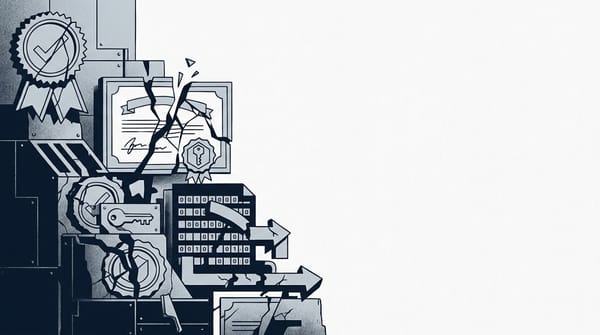
A supply chain incident used to be a technical failure. In AI tooling markets, it is increasingly a test of who can restore default trust before the ecosystem reroutes.

AI
The important shift is not that AI governance is getting more formal. It is that procedural legitimacy is becoming a way to set market terms, distribute opportunity, and decide who carries the cost of accountability.

OpenAI
OpenAI’s TBPN deal matters less as a media acquisition than as a bid to own the interpretive layer where AI power gets narrated, normalized, and defended.
["Creative Economy"
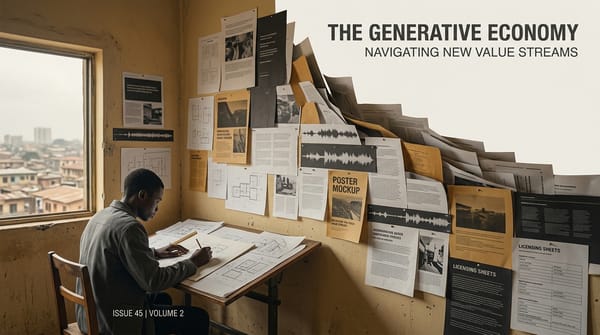
AI is lowering production costs across Africa’s creative industries, but the real economic question is whether creators gain bargaining power or platforms deepen their hold on the margin.
AI Governance
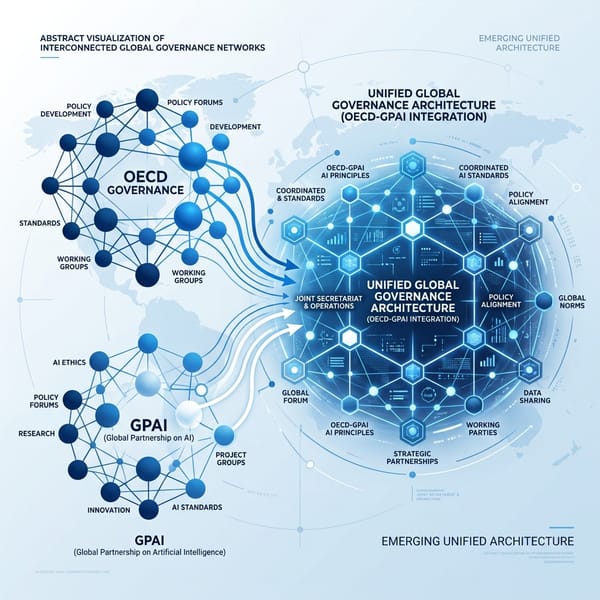
On July 3-4, 2024, the Global Partnership on Artificial Intelligence (GPAI) and the Organisation for Economic Co-operation and Development (OECD) announced an integrated partnership that quietly reshaped the architecture of global AI governance. This wasn't merely another memorandum of...

Liability
In January 2026, a quiet revolution began in the basement levels of global finance: insurance companies started pricing data center downtime like hurricane damage.
Markets
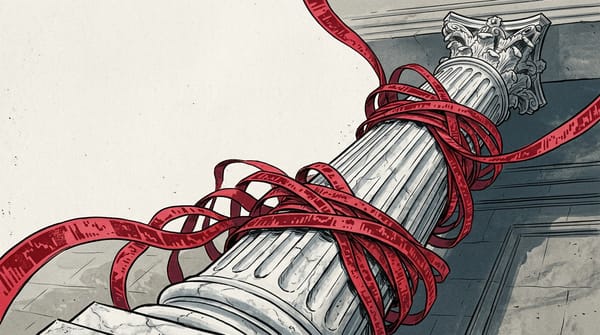
Capital markets are currently pricing AI as a frictionless force of creative destruction. They shouldn't. The dominant investment thesis treats artificial intelligence the way early markets treated the internet: as an inevitability that collapses legacy systems on contact. If your model is right, the portfolio practically builds itself

Policy
While Washington debates federal preemption, three distinct models of digital sovereignty are emerging — data embassies, frugal AI, and financial algorithmic governance. None of them are American.

AI
Companies are achieving record revenue per employee by replacing junior workers with AI agents. They are also, quietly, dismantling the system that creates the senior workers those agents will eventually need.